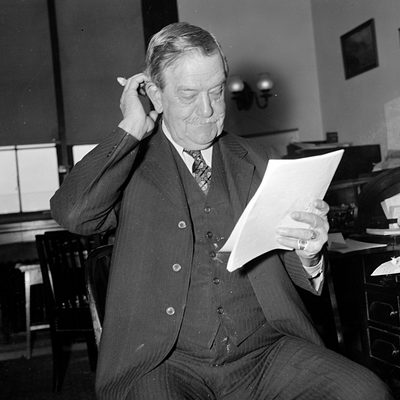
Longest-serving U.S. senators
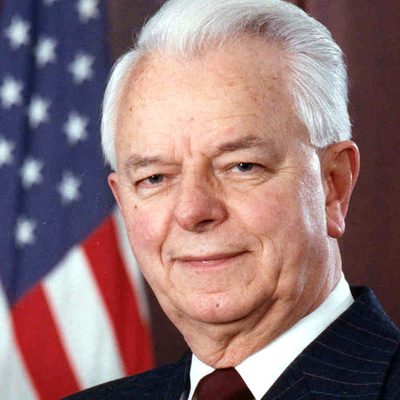
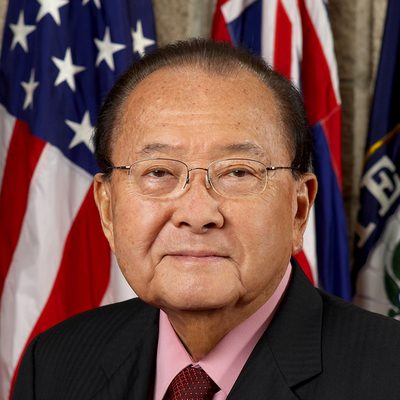
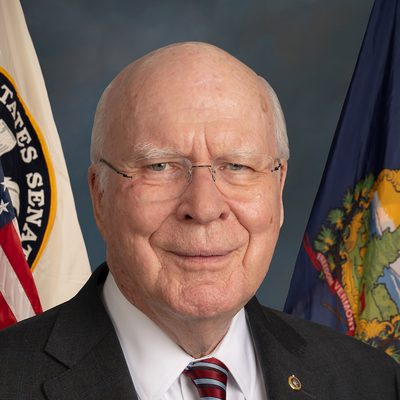
Robert C. Byrd served in the United States Senate for 51 years, longer than anyone else on record: 1959 to 2010, 9 terms for West Virginia. Daniel K. Inouye is second with 49 years, Patrick J. Leahy third with 48 years. Charles E. Grassley is the longest-serving senator in office today, at 45 years.
Related: Oldest sitting U.S. senators · Longest-serving members of the U.S. House.
Who served the longest in the U.S. Senate?
Robert C. Byrd, for 51 years: 1959 to 2010, 9 terms for West Virginia. Daniel K. Inouye served 49 years and Patrick J. Leahy 48 years.
Who is the longest-serving senator today?
Charles E. Grassley, with 45 years in the Senate so far (1981 to now, 8 terms for Iowa). Next among sitting senators are Mitch McConnell, 41 years, and Patty Murray, 33 years.
How is time in office counted?
From the term records rather than from election years. Each senator’s terms are merged into unbroken runs and the runs are added up, so a career interrupted by a defeat counts only the time actually served, and the few days between one Congress ending and the next beginning are not lost.
Does service in the U.S. House count here?
No. This list counts Senate service only. Several of the names on it also sat in the House, sometimes for years; those years are ranked on the longest-serving representatives list and shown on each profile, but they are not in the figure above.
| # | Senator | Years in office | In office | Terms | State |
|---|---|---|---|---|---|
| 1 | Robert C. ByrdD | 51 years | 1959–2010 | 9 | West Virginia |
| 2 | Daniel K. InouyeD | 49 years | 1963–2012 | 9 | Hawaii |
| 3 | Patrick J. LeahyD | 48 years | 1975–2023 | 8 | Vermont |
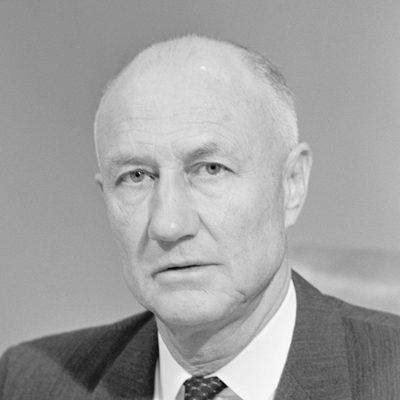
| 4 | Strom ThurmondR | 47 years | 1954–2003 | 10 | South Carolina |
| 5 | Edward M. KennedyD | 46 years | 1962–2009 | 9 | Massachusetts |
| 6 | Charles E. GrassleyR● In office | 45 years | 1981–present | 8 | Iowa |
| 7 | John C. StennisD | 42 years | 1947–1989 | 7 | Mississippi |
| 8 | Orrin G. HatchR | 42 years | 1977–2019 | 7 | Utah |
| 9 | Mitch McConnellR● In office | 41 years | 1985–present | 7 | Kentucky |
| 10 | Ted StevensR | 40 years | 1968–2009 | 7 | Alaska |
| 11 | Thad CochranR | 39 years | 1979–2018 | 7 | Mississippi |
| 12 | Ernest Fritz HollingsD | 38 years | 1966–2005 | 7 | South Carolina |
| 13 | Russell B. LongD | 38 years | 1948–1987 | 7 | Louisiana |
| 14 | Richard B. RussellD | 37 years | 1933–1971 | 7 | Georgia |
| 15 | James O. EastlandD | 36 years | 1941–1979 | 7 | Mississippi |
| 16 | Francis E. WarrenR | 36 years | 1890–1929 | 7 | Wyoming |
| 17 | Warren G. MagnusonD | 36 years | 1944–1981 | 7 | Washington |
| 18 | Joe BidenD | 36 years | 1973–2009 | 7 | Delaware |
| 19 | Claiborne Deb. PellD | 36 years | 1961–1997 | 6 | Rhode Island |
| 20 | Pete V DomeniciR | 36 years | 1973–2009 | 6 | New Mexico |
| 21 | Richard G. LugarR | 36 years | 1977–2013 | 6 | Indiana |
| 22 | Carl LevinD | 36 years | 1979–2015 | 6 | Michigan |
| 23 | Richard C. ShelbyR | 36 years | 1987–2023 | 6 | Alabama |
| 24 | Milton R. YoungR | 35 years | 1945–1981 | 6 | North Dakota |
| 25 | Ellison D. SmithD | 35 years | 1909–1944 | 6 | South Carolina |