Longest-serving members of the U.S. House
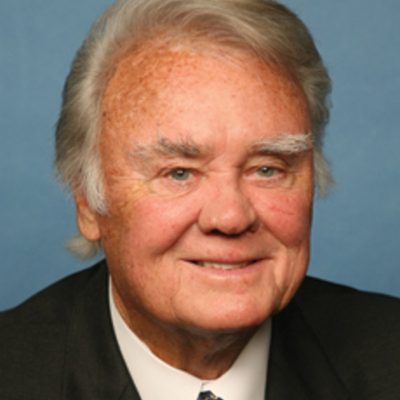
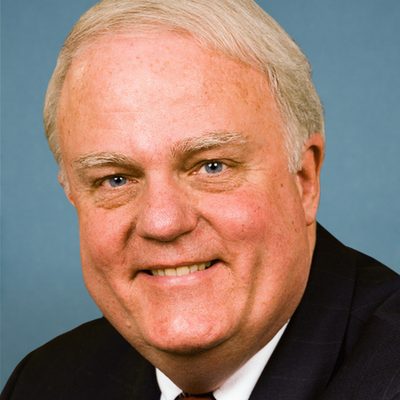
John D. Dingell served in the U.S. House for 59 years, longer than anyone else on record: 1955 to 2015, 30 terms for Michigan. Jamie L. Whitten is second with 54 years, John Conyers Jr. third with 52 years. Steny H. Hoyer is the longest-serving representative in office today, at 45 years.
Related: Oldest sitting U.S. representatives · Longest-serving U.S. senators.
Who served the longest in the U.S. House of Representatives?
John D. Dingell, for 59 years: 1955 to 2015, 30 terms for Michigan. Jamie L. Whitten served 54 years and John Conyers Jr. 52 years.
Who is the longest-serving member of the House today?
Steny H. Hoyer, with 45 years in the House so far (1981 to now, 23 terms for Maryland). Next among sitting members are Christopher H. Smith, 45 years, and Harold Hal Rogers, 45 years.
How is time in office counted?
From the term records rather than from election years. Each member’s terms are merged into unbroken runs and the runs are added up, so a career interrupted by a defeat counts only the time actually served. The merge allows for the pre-1935 congressional calendar, when a term ran March to March but the Congress convened the following December.
Is this the longest anyone has served in Congress?
In the House, yes: John D. Dingell’s 59 years is the single-chamber record. A career counted across both chambers can run longer, because several members moved from the House to the Senate and their Senate years are ranked separately on the longest-serving senators list.
| # | Representative | Years in office | In office | Terms | State |
|---|---|---|---|---|---|
| 1 | John D. DingellD | 59 years | 1955–2015 | 30 | Michigan |
| 2 | Jamie L. WhittenD | 54 years | 1941–1995 | 27 | Mississippi |
| 3 | John Conyers Jr.D | 52 years | 1965–2017 | 27 | Michigan |
| 4 | Carl VinsonD | 51 years | 1913–1965 | 26 | Georgia |
| 5 | Emanuel CellerD | 49 years | 1923–1973 | 25 | New York |
| 6 | Samuel RayburnD | 48 years | 1913–1961 | 25 | Texas |
| 7 | Sidney R. YatesD | 48 years | 1949–1999 | 24 | Illinois |
| 8 | John PatmanD | 46 years | 1929–1976 | 24 | Texas |
| 9 | Charles B. RangelD | 46 years | 1971–2017 | 23 | New York |
| 10 | Steny H. HoyerD● In office | 45 years | 1981–present | 23 | Maryland |
| 11 | Christopher H. SmithR● In office | 45 years | 1981–present | 23 | New Jersey |
| 12 | Harold Hal RogersR● In office | 45 years | 1981–present | 23 | Kentucky |
| 13 | Adolph SabathD | 45 years | 1907–1953 | 23 | Illinois |
| 14 | Joseph CannonR | 44 years | 1873–1923 | 23 | Illinois |
| 15 | George MahonD | 44 years | 1935–1979 | 22 | Texas |
| 16 | Charles E. BennettD | 44 years | 1949–1993 | 22 | Florida |
| 17 | Marcy KapturD● In office | 43 years | 1983–present | 22 | Ohio |
| 18 | Melvin PriceD | 43 years | 1945–1988 | 22 | Illinois |
| 19 | C. W. Bill YoungR | 42 years | 1971–2013 | 22 | Florida |
| 20 | John McCormackD | 42 years | 1928–1971 | 22 | Massachusetts |
| 21 | W. R. PoageD | 42 years | 1937–1979 | 21 | Texas |
| 22 | Jack BrooksD | 42 years | 1953–1995 | 21 | Texas |
| 23 | David R. ObeyD | 42 years | 1969–2011 | 21 | Wisconsin |
| 24 | F. James Sensenbrenner Jr.R | 42 years | 1979–2021 | 21 | Wisconsin |
| 25 | Robert DoughtonD | 41 years | 1911–1953 | 21 | North Carolina |