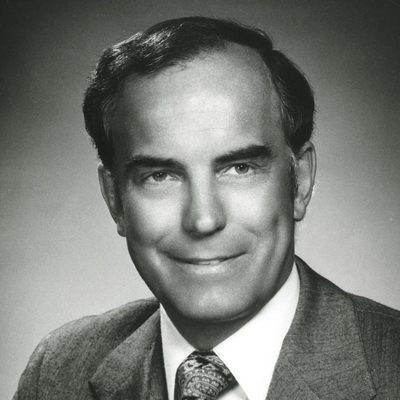
Longest-serving state governors
Terry Branstad served as governor for 22 years, longer than anyone else on record: 1983 to 2017, 2 separate spells for Iowa. George Clinton is second with 20 years, Jerry Brown third with 16 years. Greg Abbott is the longest-serving governor in office today, at 11 years.
Related: Oldest sitting governors · Longest-serving U.S. senators.
Who is the longest-serving governor in U.S. history?
Terry Branstad, for 22 years: 1983 to 2017, 2 separate spells for Iowa. George Clinton served 20 years and Jerry Brown 16 years.
Who is the longest-serving governor in office today?
Greg Abbott, with 11 years in office so far (2015 to now, one unbroken spell for Texas). Next among sitting governors are Phil Scott, 9 years, and Henry D. McMaster, 9 years.
How is time in office counted?
From dated term records rather than from election years, and that distinction decides the list. The governor record here has a known gap in the mid-century South, so counting from one election to the next in a state would credit Theodore Bilbo with 48 years in Mississippi and Theodore Roosevelt with 20 in New York, against four and two. Terms are merged into unbroken runs before counting, so two separate spells in office add up and nothing is counted twice.
Are appointed and acting governors included?
Anyone who held the office appears if PolitiFinder has a profile for them, which under the elections-only rule means they ran in at least one election the site covers. Somebody who only ever succeeded to the job and never appeared on a ballot has no profile and no entry here.
| # | Governor | Years in office | In office | Spells | State |
|---|---|---|---|---|---|
| 1 | Terry BranstadR | 22 years | 1983–2017 | 2 | Iowa |
| 2 | George ClintonD | 20 years | 1777–1804 | 2 | New York |
| 3 | Jerry BrownD | 16 years | 1975–2019 | 2 | California |
| 4 | George WallaceD | 16 years | 1963–1987 | 3 | Alabama |
| 5 | Bill JanklowR | 16 years | 1979–2003 | 2 | South Dakota |
| 6 | Jim HuntD | 15 years | 1977–2001 | 2 | North Carolina |
| 7 | Jim RhodesR | 15 years | 1963–1983 | 2 | Ohio |
| 8 | Edwin EdwardsD | 15 years | 1972–1996 | 3 | Louisiana |
| 9 | William C. C. ClaiborneD | 15 years | 1801–1816 | 1 | Louisiana |
| 10 | Arthur FennerD | 15 years | 1790–1805 | 1 | Rhode Island |
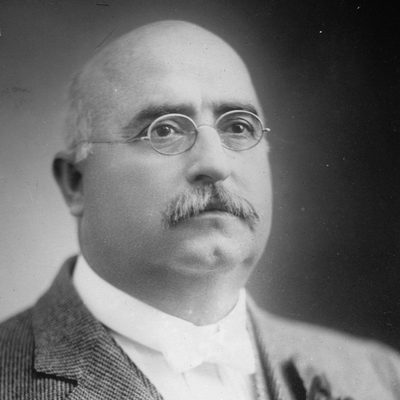
| 11 | Albert RitchieD | 14 years | 1920–1935 | 1 | Maryland |
| 12 | Nelson RockefellerR | 14 years | 1959–1973 | 1 | New York |
| 13 | Rick PerryR | 14 years | 2000–2015 | 1 | Texas |
| 14 | Jim ThompsonR | 14 years | 1977–1991 | 1 | Illinois |
| 15 | Robert D. RayR | 13 years | 1969–1983 | 1 | Iowa |
| 16 | William MillikenR | 13 years | 1969–1983 | 1 | Michigan |
| 17 | George W. P. HuntD | 13 years | 1912–1933 | 4 | Arizona |
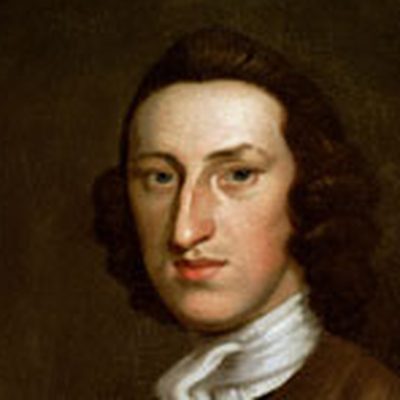
| 18 | William LivingstonN | 13 years | 1776–1790 | 1 | New Jersey |
| 19 | James FennerR | 12 years | 1807–1845 | 3 | Rhode Island |
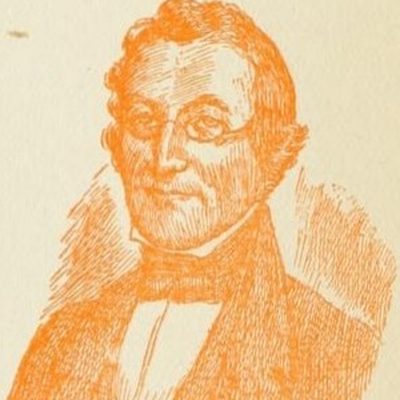
| 20 | Isaac Halstead WilliamsonD | 12 years | 1817–1829 | 1 | New Jersey |
| 21 | John KitzhaberD | 12 years | 1995–2015 | 2 | Oregon |
| 22 | Arch MooreR | 12 years | 1969–1989 | 2 | West Virginia |
| 23 | Butch OtterR | 12 years | 2007–2019 | 1 | Idaho |
| 24 | Daniel J. EvansR | 12 years | 1965–1977 | 1 | Washington |
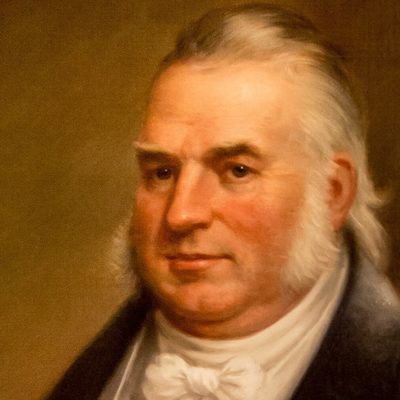
| 25 | William CarrollD | 12 years | 1821–1835 | 2 | Tennessee |